


Staying motivated at work can often feel like a challenge. Distractions, repetitive tasks, and stress can all sap your energy and enthusiasm. Fortunately, science offers a treasure trove of insights on how to maintain high levels of motivation and productivity. This article explores science-backed strategies to stay motivated at work, helping you cultivate a rewarding and energized professional life
Understanding Motivation: The Science Behind It
Before diving into practical tips, it’s essential to understand what motivation really is. Motivation is the brain’s way of directing attention and energy toward goal achievement. Neuroscience shows that motivation primarily involves the dopamine system, which rewards behaviors associated with positive outcomes.
When you anticipate a reward, dopamine neurons fire, telling your brain to focus on and repeat those behaviors.
Conversely, lack of dopamine activity can lead to procrastination and decreased enthusiasm.

1. Set Clear, Achievable Goals
One of the simplest yet most powerful ways to boost motivation is by setting clear and achievable goals.
According to Locke and Latham’s Goal-Setting Theory, specific goals motivate higher performance than vague goals.
Break down large projects into smaller tasks, so each milestone provides a dopamine “hit” upon completion.
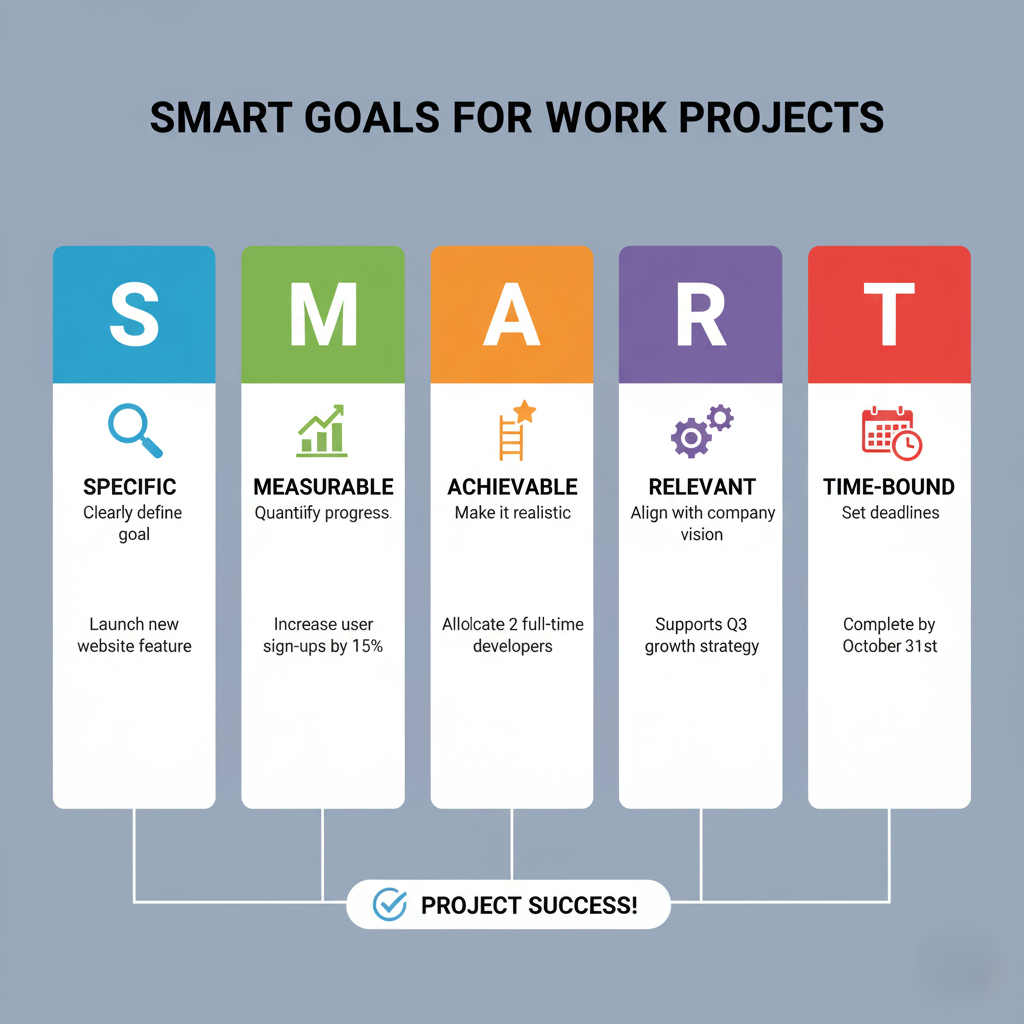
Try the SMART goals framework—Specific, Measurable, Achievable, Relevant, and Time-bound—for setting your work objectives.
2. Use Positive Reinforcement and Rewards
Rewarding yourself for achieving milestones taps directly into your brain’s reward system. Psychology research shows that positive reinforcement boosts motivation by associating accomplishment with pleasure. This could be small rewards (a coffee break, a short walk) or bigger rewards (treating yourself to a favorite meal).Regularly acknowledging progress can reduce burnout while increasing productivity and enthusiasm.

3. Practice Mindfulness and Stress Reduction
Work stress is a major motivation killer. Practicing mindfulness can reset your brain and boost focus. Studies demonstrate that mindfulness meditation reduces cortisol (stress hormone) and improves attention span. Practices like deep breathing also increase oxygen flow to the brain, reducing anxiety and enhancing cognitive flexibility.
Try short mindfulness breaks during your day to clear mental clutter and maintain motivation.

4. Create an Environment That Supports Focus
Your physical and digital environment profoundly influences motivation.Neuroscience tells us cluttered or distracting spaces reduce working memory capacity, decreasing motivation.Organize your desk, declutter digital files, and use noise-cancelling headphones or productivity playlists to block distractions.A dedicated and inspiring workspace primes your brain to stay engaged and motivated.

5. Leverage Social Connections and Accountability
Humans are inherently social. Connecting with colleagues or joining accountability groups fuels motivation.
Social psychology research shows accountability and support systems increase goal adherence significantly.
Sharing progress or working alongside motivated peers encourages persistence and positivity.
Schedule regular check-ins with a work buddy or join professional networks to create accountability.

6. Focus on Intrinsic Motivation
Intrinsic motivation comes from genuine interest or enjoyment in the task itself.
According to Self-Determination Theory, intrinsic motivation improves performance and well-being more than external rewards.
Find meaning in your work by aligning tasks with personal values or focusing on growth opportunities.
Reflect on how your work contributes to larger goals or helps others, and nurture that internal drive.

7. Take Regular Breaks to Recharge
Long hours without breaks lead to mental fatigue and motivation loss.
Research using the Pomodoro Technique shows working in 25-minute focus intervals with breaks enhances sustained motivation and productivity.
Movement breaks also increase blood flow to the brain, sharpening concentration.
Schedule short, frequent breaks for best results.

Conclusion: Science as Your Motivation Ally
Motivation isn’t just about willpower or discipline; it’s rooted in your brain’s biology and psychology. By applying these science-backed strategies—goal setting, positive rewards, mindfulness, environment optimization, social accountability, intrinsic motivation, and breaks—you can cultivate lasting motivation and enjoy more fulfilling workdays.
Start incorporating these tactics today, and watch your motivation soar!